

Dr. Abdulrahman Bukhari, a diabetes consultant, confirmed that many common concepts regarding food and diabetes lack a scientific basis, warning against following dietary comparisons between populations, such as the claim that certain people consume pastries or bread daily without getting sick. He explained that these perceptions are inaccurate, citing International Diabetes Federation (IDF) statistics which showed that Pakistan leads the world in prevalence rates at 31%.
Bukhari warned against the belief that insulin injections prevent blood sugar spikes after eating pastries, noting that the high carbohydrate and fat content makes blood sugar control difficult even with precise meal counting; he advised limiting portions to small amounts, walking after eating, and drinking water.
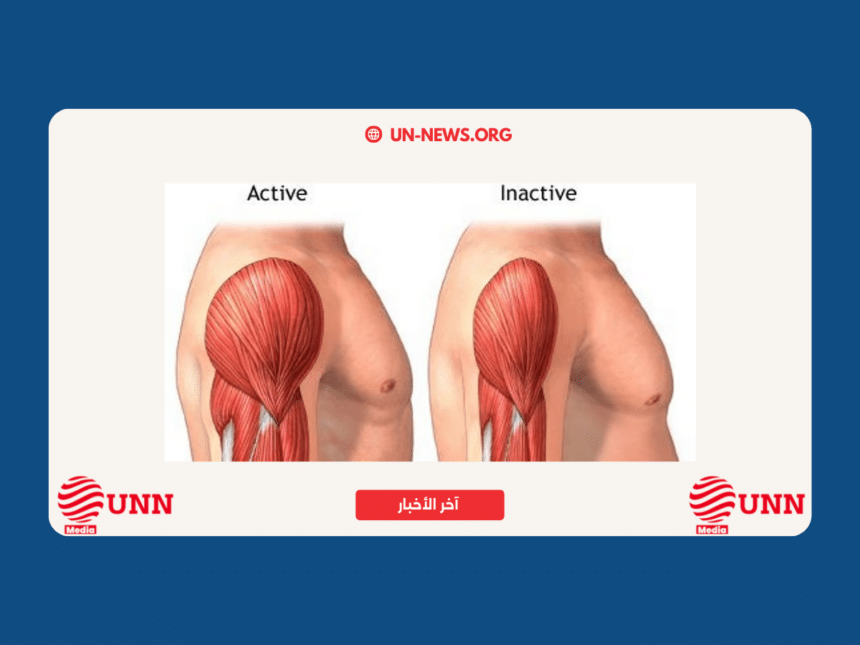
In an experience from his clinic, he reviewed the case of a man in his seventies who practiced daily walking but suffered from weakness and muscle pain. After introducing resistance training three times a week, his cumulative sugar (HbA1c) improved from 6% to 5%, the pain disappeared, and his vitality returned, demonstrating the importance of these exercises with age.
Responding to a question about the possibility of improving pancreatic efficiency after years of illness, Bukhari confirmed that it is possible, pointing to the case of a woman who had been infected for 27 years, was using high doses of insulin, and suffered from obesity and a cumulative sugar level of 9.6%. After committing to a treatment plan, her weight dropped to 62 kg, her cumulative sugar decreased to 5.5%, and her pancreas improved by 25%, with insulin doses reduced to just one.
In another story, Bukhari spoke about a young man diagnosed with Type 1 diabetes receiving four injections daily, but after a new evaluation, it turned out he had Type 2. Insulin was gradually stopped while using oral medications, leading his cumulative sugar to drop from 10% to 6% and his weight to decrease from 98 to 89 kg.
Bukhari stressed that medication is not a substitute for lifestyle, emphasizing that healthy nutrition and physical activity are the foundation of diabetes treatment, whether medication is used or not.
He concluded his talk with the story of a patient in her sixties who relied on three insulin injections and suffered from obesity and a cumulative sugar level of 10%. Thanks to an appropriate treatment plan, she managed to reduce her weight to 71 kg, improve her cumulative sugar to 6.8%, and completely dispense with insulin, with a 50% improvement in pancreatic efficiency.
Bukhari emphasized that these real-life stories represent strong messages of hope, proving that commitment and correct diagnosis can completely change the life of a diabetic patient.
United News Network – UNN Arabic An independent media platform providing reliable news and objective analysis, seeking to promote peace and cultural dialogue worldwide, to convey the truth and build bridges of understanding between peoples. For more news, you can visit our homepage: https://un-news.org