
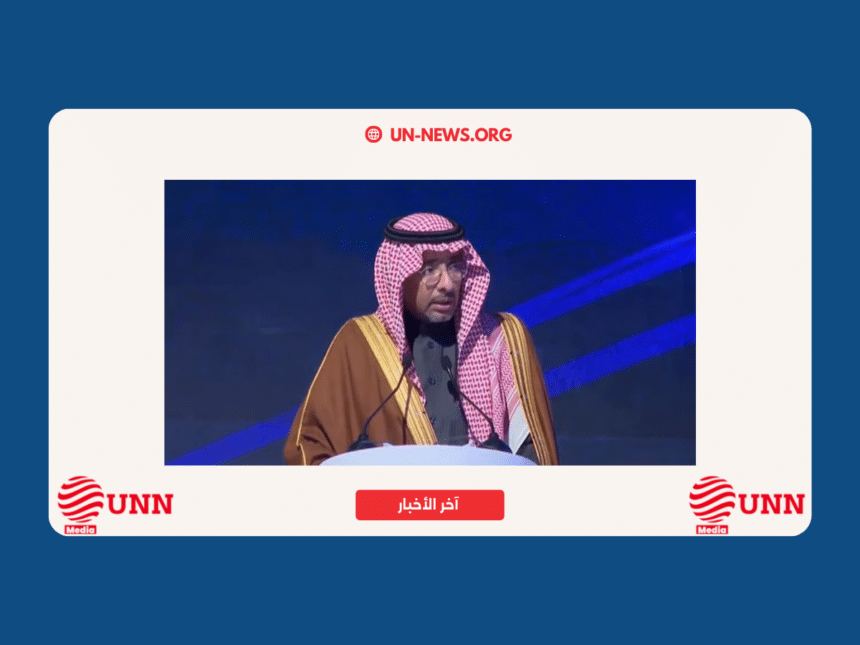
Minister of Industry and Mineral Resources Bandar bin Ibrahim Al-Khorayef emphasized that while the Kingdom of Saudi Arabia is rich in natural resources such as oil, gas, petrochemicals, and minerals, its most important resource is its youth energy and human capital.
During his participation in a high-level discussion panel titled “The Human Code: Designing Systems to Enhance Capabilities” at the “Saudi House” event during the World Economic Forum in Davos, Al-Khorayef explained that the Kingdom enjoys a young population that constitutes a large percentage of its citizens. This represents a vital strategic pillar and qualitative added value at a time when many advanced economies face challenges due to aging populations and a shrinking workforce.
He noted that the real challenge lies in transforming this human wealth into sustainable added value through human capability development. He pointed out that the Kingdom has witnessed rapid development in education, training, skill development, and reskilling, in addition to adopting technology across various sectors.
His Excellency noted that Saudi youth are increasingly attracted to technology-based jobs, which is reshaping the perception of traditional sectors. He stressed that attracting youth to sectors such as mining requires transforming them into modern industries that rely on technology and are characterized by innovation, competitiveness, and future-readiness.
He reviewed the Kingdom’s ambitious vision for developing its human capabilities and equipping them with high-level skills to handle advanced manufacturing technologies and Artificial Intelligence, keeping pace with the industrial transformation phase it is undergoing.
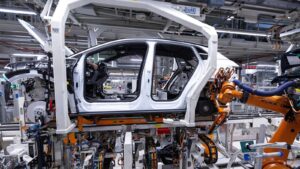
His Excellency highlighted how technical progress is transforming industrial models, stating that the Kingdom’s approach to adopting AI and advanced manufacturing stems from a clear vision focused on identifying roles and tasks that can be automated. While large facility size was once a prerequisite for competitiveness, technology has today become a major pillar for enhancing competitiveness, opening the way for more diverse industrial capabilities.
He said: “Industrial transformation in the Kingdom requires collective action and the synergy and integration of efforts. The private sector cannot do it alone; the success of the transformation requires providing infrastructure in remote areas, training and qualification, and investing in the necessary technologies to ensure sustainability.”
He pointed out the necessity of integration between the public and private sectors. While private companies lead investment in the industrial and mining sectors, the government’s role is to ensure the pace of technical adaptation is kept, and to create an environment that fosters innovation and promotes training and qualification.
A series of initiatives launched to empower industrial transformation, enhance the innovation ecosystem, and develop human capabilities in the Kingdom were reviewed. These include the establishment of the Advanced Manufacturing and Production Center, the “Future Factories” program to accelerate the adoption of advanced manufacturing technologies, the launch of the Saudi Mining College at King Abdulaziz University, the Industry Hackathon launched by the Saudi Industrial Development Fund, and the “A Thousand Miles” program under the National Industrial Development and Logistics Program (NIDLP), which aims to build strong links between major companies and innovators.
He added: “These steps are part of integrated efforts to ensure the development of national competencies and empower young talent. We must not forget the role of leading national companies, including SABIC, Aramco, Ma’aden, STC, and the Saudi Electricity Company, in enabling entrepreneurs and innovators to test and apply new technologies in real industrial environments.”
Al-Khorayef spoke about the development of the Saudi mining sector, which is the third pillar of the national industry according to Saudi Vision 2030, saying: “The Kingdom is advancing rapidly to explore and exploit its mineral wealth, with a commitment to standards of sustainability, productivity, and energy efficiency,” noting modern technologies in mining, including mine management and remote mining operations.
The Kingdom’s participation in the Annual Meeting of the World Economic Forum in Davos aims to enhance the Kingdom’s presence in influential international platforms and consolidate its role as an active partner in discussing global economic issues, in a way that supports stability, growth, and sustainable development.
United News Network – UNN Arabic
An independent media platform providing reliable news and objective analysis, seeking to promote peace and cultural dialogue around the world, to convey the truth and build bridges of understanding between peoples.
For more news, you can visit our homepage: