
Gaza’s Future and the Day-After Authority: Power Struggles Dominate the Post-War Landscape
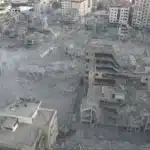
Attention is turning to the future of the Gaza Strip as political and military developments related to the war continue, amid growing discussions over the governing authority that will assume responsibility for the territory once the fighting ends.
These questions arise at a time of intensive political activity regarding post-war arrangements, with differing visions for the future of governance in Gaza and the role of local and regional actors in shaping the next phase.
As military and political pressures persist, the issue of governing the Strip has emerged as one of the most complex and sensitive matters in the Palestinian landscape.
The Day-After Authority at the Center of Discussions
The future authority that will govern the Gaza Strip after the war has become a central topic in regional and international political discussions.
Various scenarios are being considered, ranging from strengthening the role of the Palestinian Authority to exploring new arrangements backed by regional and international support, amid ongoing security and political challenges.
Observers believe that resolving this issue will have a direct impact on the prospects for stability and reconstruction in the coming period.
Hamas’ Influence and the Future Political Landscape
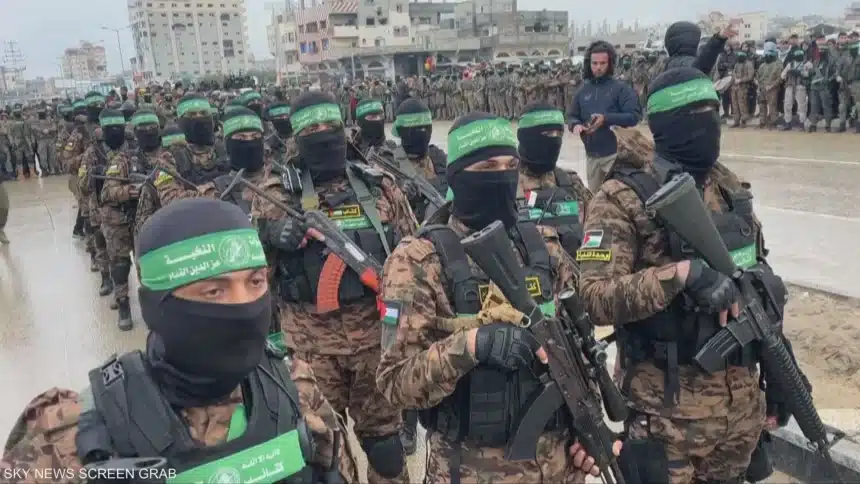
Political assessments suggest that Hamas’ continued influence in the Gaza Strip will remain a significant factor in any future governance arrangements.
Political researcher Tamara Haddad believes that the current situation reflects a connection between the movement’s continued presence in Gaza and Israeli policies centered on escalation and military operations.
She also argues that any approach that overlooks the existing political and security realities on the ground may face significant implementation challenges.
Regional Dynamics Complicate the Situation
Post-war arrangements involve not only the Palestinian and Israeli sides but also a range of regional and international considerations.
Several actors are seeking to influence the shape of the next phase, whether through political initiatives or participation in reconstruction efforts and security and stability arrangements.
This overlap of interests adds further complexity to the situation, given the differing perspectives and priorities regarding Gaza’s future.
Lack of Consensus Hinders Solutions
Despite the numerous initiatives under discussion, a clear gap remains between the various parties regarding the nature of the solutions required for the next phase.
Observers note that the absence of common political ground could limit the chances of reaching a sustainable settlement capable of addressing the root causes of the crisis.
Continuing disagreements over governance, security, and reconstruction also make achieving a comprehensive agreement more difficult.
The Next Phase for Gaza
Current developments indicate that the future of the Gaza Strip depends not only on ending military operations but also on reaching a political consensus regarding the governing authority that will lead the next stage.
As regional and international efforts continue to explore post-war arrangements, the success of any future plan will depend on its ability to balance security, political, and humanitarian requirements, paving the way for a more stable future for the Gaza Strip and its residents.
United News Network – UNN Arabic
An independent media platform providing reliable news and objective analysis, dedicated to promoting peace and cultural dialogue around the world, conveying the truth, and building bridges of understanding among peoples.
For more news, visit our homepage: