
War Powers and Iranian Negotiations: Reasons Behind Trump’s Attack on Congress
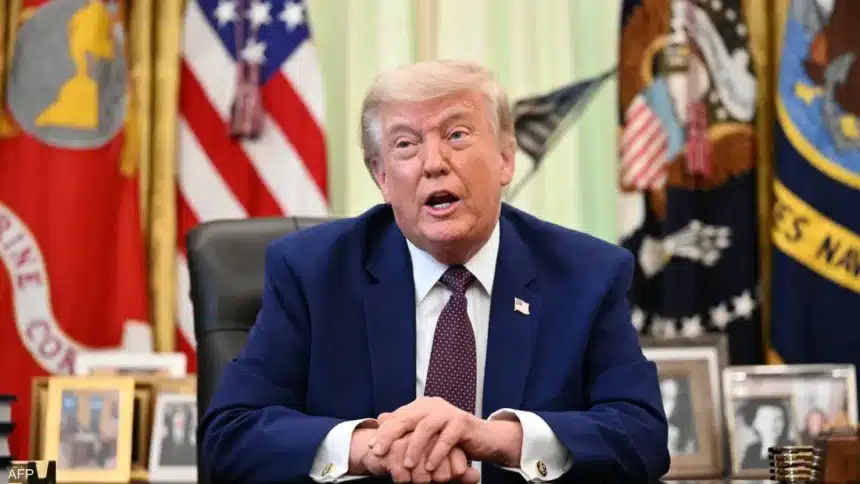
Attention is turning to the U.S. political scene following a sharp attack by U.S. President Donald Trump on the House of Representatives, over a vote aimed at restricting his military powers at a time when negotiations with Iran are entering a sensitive phase.
These developments come amid ongoing diplomatic efforts to reach understandings between Washington and Tehran, in light of the overlap between political and military files that continue to cast a shadow over the domestic U.S. landscape.
In this context, Trump considered that the decision issued by the House of Representatives could affect the administration’s ability to manage foreign policy files, especially as the Iranian negotiations approach what he describes as critical and decisive stages.
War Powers at the Center of the Dispute
Political debate in the United States has escalated following a House vote on a measure aimed at limiting the president’s authority to use military force.
Supporters of the move argue that it is intended to strengthen legislative oversight over military decisions, while opponents view it as interference that could limit the administration’s ability to respond quickly and effectively to international crises.
The vote has reignited discussions over the boundaries of power between the executive and legislative branches, particularly in matters related to national security and foreign policy.
Trump Links the Vote to Iranian Negotiations
Trump strongly criticized the House decision, stating that its timing coincides with an important stage of ongoing negotiations with Iran.
The U.S. president indicated that the administration is working to end tensions related to the Iranian file, arguing that any additional restrictions on his powers could affect the management of these negotiations.
He also stressed that current developments require flexibility in decision-making related to foreign policy and national security.
Mutual Accusations Between Republicans and Democrats
The vote has brought partisan divisions back into focus, with Trump directing strong criticism at Democrats and some Republican members who supported the measure.
The president accused his opponents of seeking political gains at the expense of national interests, while supporters of the measure argue it is intended to maintain institutional balance and ensure oversight of military decisions.
This debate reflects the continued political polarization in the United States over several domestic and foreign policy issues.
The Iranian File Increases the Sensitivity of the Situation
The vote comes at a time when U.S.–Iran talks continue amid rapid developments related to the nuclear file and regional security issues.
Analysts believe that any political developments in Washington could have a direct impact on the course of negotiations, especially if linked to the administration’s ability to make strategic decisions in the coming period.
The overlap between internal debates and external negotiations adds further complexity to the U.S. political scene.
Signs of a New Political Confrontation in Washington
Trump’s statements reflect the level of tension between the White House and Congress over the management of military and diplomatic files, particularly amid ongoing negotiations with Iran.
As the debate over presidential powers and Congress’s oversight role continues, the future of this political confrontation remains tied to developments in the Iranian file and the ability of U.S. institutions to strike a balance between national security requirements and constitutional constraints.
United News Network – UNN Arabic
An independent media platform providing reliable news and objective analysis, aiming to promote peace and cultural dialogue worldwide, convey the truth, and build bridges of understanding among peoples.
For more news, visit our homepage:
https://un-news.org