
The Lebanese are closely awaiting the outcome of the fifth round of direct negotiations between Lebanon and Israel under U.S. sponsorship, scheduled to take place in Washington on June 22, amid significant regional developments, most notably the signing of the U.S.-Iran agreement and its expected implications for de-escalation and security issues across the region.
The negotiations will continue over three days and will be divided into two main tracks, one military and the other political, in an effort to advance the existing understandings to more developed stages. The Lebanese negotiating delegation will be headed by Ambassador Simon Karam, while the military delegation will be led by Brigadier General George Rizkallah, Director of Operations of the Lebanese Army.
This round is of exceptional importance as it coincides with the announcement of the provisions of the U.S.-Iran agreement, which included a commitment to ending the war on most fronts, as well as obligating the concerned parties, primarily Israel and Hezbollah, to cease mutual military operations.
Consolidating the Ceasefire and Preparing for the Next Phase
Official sources explained that the fifth round is considered “highly important” in terms of working toward the permanent consolidation of the ceasefire, noting that this issue was among the main points addressed in the U.S.-Iran agreement.
The sources added that the understanding reached between Washington and Tehran provides positive momentum for the upcoming negotiations, as achieving a comprehensive and effective ceasefire had been a top priority for the Lebanese negotiating delegation before moving on to discuss other issues.
They also stated that the signing of the U.S.-Iran agreement could help overcome this obstacle through the convergence of the American and Iranian positions on the necessity of maintaining de-escalation and halting military operations, potentially opening the door to addressing other outstanding issues within a more stable framework.
Israeli Withdrawal Timeline and Pilot Zones
According to the same sources, once the ceasefire is firmly established, the negotiations will move on to discuss arrangements for the Israeli withdrawal from southern Lebanon, including setting a clear timetable for the process and adopting what are known as “Pilot Zones.”
The joint statement issued after the fourth round of negotiations, held in Washington at the end of last month, indicated that both sides had agreed to establish pilot zones in southern Lebanon under the exclusive control of the Lebanese Army, with all non-state actors excluded from these areas.
Official sources confirmed that Lebanon remains committed to the option of direct negotiations with Israel under U.S. sponsorship, considering this approach the most effective way to extend the authority of the Lebanese state over its entire territory, particularly in the southern regions.
The sources added that the U.S.-Iran agreement could increase international pressure on Israel to seriously adhere to the ceasefire while continuing an orderly and gradual withdrawal from southern areas in accordance with the proposed understandings.
They emphasized that the Lebanese state continues to uphold the principle of restricting arms to legitimate Lebanese institutions and deploying the Lebanese Army throughout the south, stressing that this approach enjoys Arab, regional, and international support.
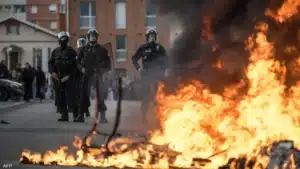
Meanwhile, the situation on the ground remains tense, although at a lower level than in previous periods, with Israel continuing military operations in southern Lebanon while Hezbollah continues targeting Israeli military gatherings and vehicles in the occupied southern areas.
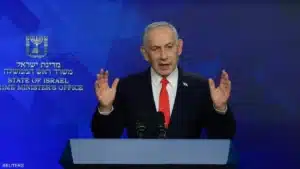
These developments come as Israeli sources had previously indicated that the Israeli Prime Minister informed U.S. President Donald Trump that his forces would not withdraw from southern Lebanon until the demand for Hezbollah’s disarmament is fulfilled, reflecting ongoing differences over several key issues on the negotiating table.
Since the outbreak of the war on March 2, Lebanon has suffered significant human losses, with the death toll reaching 3,826 people and the number of injured rising to approximately 11,851, according to officially announced figures, highlighting the importance of any political efforts that could help consolidate the ceasefire and pave the way for resolving outstanding security issues.
United News Network – UNN Arabic
An independent media platform providing reliable news and objective analysis, seeking to promote peace and cultural dialogue around the world by conveying the truth and building bridges of understanding between peoples.
For more news, please visit our homepage:
Author: Advisor Faisal Al-Mutairi.
Publication Date: June 18, 2026.
Last Updated: June 2026.