
Injuries and Health Emergency Response: Consequences of the Iranian Attack on Kuwait
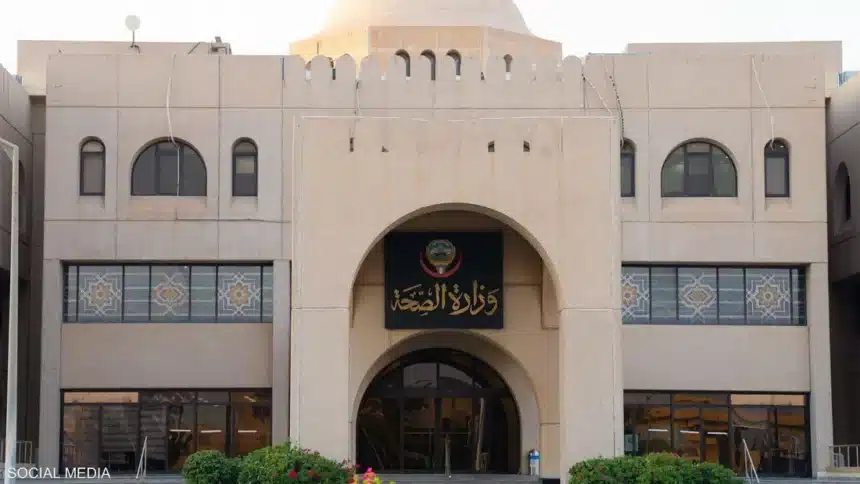
Attention is turning to Kuwait’s healthcare sector after the Ministry of Health announced that it had received dozens of injured individuals following the Iranian attack on the country, while health authorities raised the level of readiness to deal with field developments and ensure the continuity of medical services.
These developments come amid intensive efforts by health institutions to manage the aftermath of the incident, including activating emergency plans and mobilizing medical staff across hospitals and healthcare centers.
In light of the challenges posed by the attack, the speed of the medical response has emerged as one of the key factors in handling injuries and providing necessary care to the wounded.
Health Emergency Mobilization from the First Hours
The Kuwaiti Ministry of Health declared a full health emergency from the earliest hours of the attack to ensure complete readiness to handle urgent cases and provide immediate medical services.
The ministry confirmed that medical and ambulance teams began implementing approved emergency plans in coordination with relevant authorities to ensure rapid response and delivery of healthcare to the injured.
This response reflects the authorities’ commitment to containing the consequences of the incident and maintaining the efficiency of the healthcare system under all circumstances.
Dozens of Injuries and Emergency Surgeries
Ministry of Health spokesperson Abdullah Al-Sanad revealed that 63 injury cases were received as a result of the Iranian attack, according to a preliminary toll announced by health authorities.
He also noted that seven major surgeries were carried out urgently for cases requiring immediate medical intervention, as part of efforts to save the injured and provide specialized care.
Medical teams continue to monitor the health conditions of the injured while providing all necessary resources to ensure their stability.
Healthcare System Raises Readiness Level
The Ministry of Health confirmed that hospitals and medical facilities continue to operate at the highest level of readiness around the clock to respond to any new developments that may arise.
Measures include strengthening emergency and intensive care units, in addition to providing necessary medical supplies and human resources to deal with various possible scenarios.
Experts believe that healthcare readiness is a key element in crisis management and reducing its humanitarian impact.
Blood Bank Supports Strategic Reserves
As part of health preparedness efforts, the Ministry of Health called on citizens and residents to donate blood to support the strategic reserves of the Central Blood Bank.
The ministry stressed that this step aims to ensure sufficient supplies of blood and its derivatives to meet hospital and emergency needs when required.
Maintaining adequate blood stocks is considered an essential component of medical response plans during crises and major incidents.
Broad Health Response Efforts
The measures taken by Kuwait’s Ministry of Health reflect the scale of efforts deployed to deal with the consequences of the Iranian attack by mobilizing medical and human resources to ensure the continuity of healthcare services.
As field developments continue to be monitored, medical readiness and rapid response remain among the main tools Kuwait relies on to face emergency health challenges and maintain the efficiency of its healthcare system during crises.
United News Network – UNN Arabic
An independent media platform providing reliable news and objective analysis, seeking to promote peace and cultural dialogue worldwide, convey the truth, and build bridges of understanding among peoples.
For more news, visit our homepage: