
Negotiations Are Lebanon’s Choice to End the War Amid Accusations That Israel Is Not Complying with the Ceasefire Agreement
Attention is turning to the ongoing negotiations in Lebanon as the primary option for containing security tensions and preventing the region from sliding into a broader confrontation, while Lebanese authorities reaffirm their commitment to political solutions despite ongoing challenges on the ground.
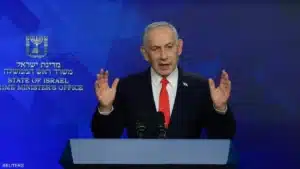
These statements come amid continued diplomatic efforts aimed at consolidating the ceasefire agreement, alongside Lebanese accusations that Israel has not fully complied with the terms of the agreement and continues military operations in some border areas.
Given the complexities of the security situation, negotiations are emerging as one of the most prominent paths toward achieving stability, despite all parties recognizing that reaching final outcomes may require time and sustained political efforts.
Negotiation Between Political Realism and the Requirements of Stability
The Lebanese President affirmed that negotiation represents the safest option compared to war, noting that past experiences have demonstrated the scale of losses and consequences that armed conflicts impose on countries and peoples.
He explained that negotiations do not mean surrender or concession, but rather constitute a political tool aimed at ending wars and reducing the damage they cause. He pointed out that diplomatic solutions are often the most effective path to achieving long-term stability.
He added that the negotiating process may encounter obstacles or delays, yet it remains the available option for reaching settlements that safeguard the interests of the various parties involved.
The Lebanese Army and Strengthening Control in the South
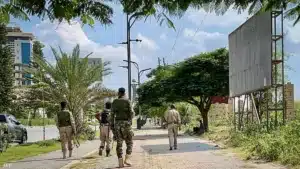
Regarding developments on the ground, the Lebanese President stated that the army continues to carry out its duties in southern Lebanon, emphasizing that the area has not yet been declared completely free of weapons.
He added that the military institution has succeeded in establishing operational control over large areas in the south, according to recognized military standards, while efforts continue to reinforce stability and security.
He also noted that the geographical nature of the region means that fully securing the situation requires time and ongoing measures.
The Ceasefire Agreement Under Test
The Lebanese President addressed the ceasefire issue, stressing that implementation of the agreement continues to face challenges on the ground.
He explained that the agreement included mutual commitments, among them the withdrawal of Israeli forces from certain positions seized during military operations. However, according to the Lebanese perspective, these steps have not been fully implemented.
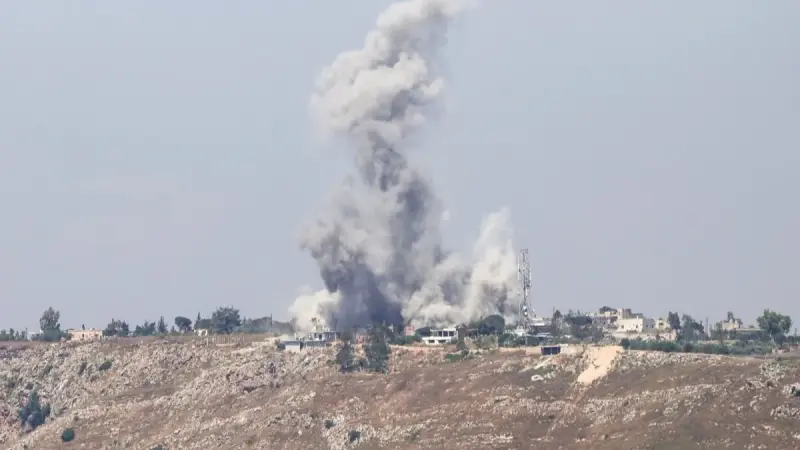
He also pointed to the continuation of shelling and military movements in some areas, which has affected the pace of implementing the agreement and hindered efforts to fully consolidate the truce.
The Future of the Truce Between Security Pressures and Diplomatic Efforts
Observers believe that the success of the de-escalation process largely depends on all parties adhering to the terms of existing agreements, in addition to providing the necessary guarantees to prevent renewed military tensions.
At the same time, political and diplomatic efforts continue to support stability in southern Lebanon, amid official assertions that dialogue and negotiation remain the most realistic options for addressing existing disputes.
The Features of a New Phase Taking Shape Through Negotiations
Recent Lebanese statements reflect Beirut’s commitment to political solutions as a means of avoiding further escalation, at a time when security and military issues continue to pose major challenges to stabilization efforts.
As negotiations and diplomatic contacts continue, the future of the truce remains tied to the ability of the concerned parties to translate political understandings into practical and implementable steps that ensure long-term stability and reduce the likelihood of renewed military confrontations.
United News Network – UNN Arabic
An independent media platform providing reliable news and objective analysis, striving to promote peace and cultural dialogue around the world, convey the truth, and build bridges of understanding among peoples.
For more news, visit the main page:
Author: Counselor Faisal Al-Mutairi.