
Iran’s highly enriched uranium becomes the key obstacle in negotiations between the “interim” and the “nuclear” deal
Attention is turning toward the future of Iran’s stockpile of highly enriched uranium, considered the most sensitive obstacle in the ongoing negotiations with the United States, amid increasing leaks speaking of an expected interim understanding that includes sanctions relief and the reopening of the Strait of Hormuz in exchange for broader nuclear and security arrangements.
At a time when a temporary agreement extending between 30 and 60 days is being proposed, conflicting narratives continue regarding how to deal with the Iranian stockpile, especially the quantities enriched to 60%, which Washington considers a decisive point in any final understanding with Tehran.
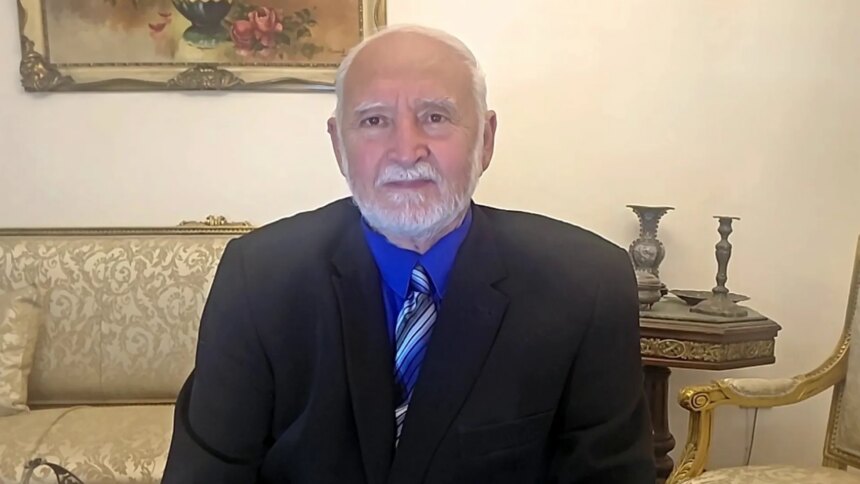
Former chief inspector of the International Atomic Energy Agency, “Yousry Abushady,” believes that Iran has shown, since the Muscat negotiations, preliminary willingness to return to an understanding similar to the 2015 agreement, including reducing enrichment levels and disposing of part of the sensitive nuclear materials.
However, Abushady explained in an interview with “Al Jazeera Mubasher” that the administration of U.S. President “Donald Trump” sought to formulate an agreement that goes beyond the 2015 deal, aiming to achieve additional political and security gains for the United States.
According to the nuclear expert, Iranian Foreign Minister “Abbas Araghchi” had expressed before the recent war a readiness to accept something resembling “zero enrichment,” while maintaining limited levels for medical, industrial, and agricultural purposes under the supervision of the International Atomic Energy Agency.
Abushady points out that the core dispute does not revolve around the principle of disposing of highly enriched uranium itself, but rather around the timetable and implementation mechanism, amid Iran’s insistence on keeping its stockpile as a major negotiating card.
The highly enriched uranium dilemma
Estimates indicate that Tehran possesses around 440 kilograms of uranium enriched to 60%, a quantity that Abushady believes could theoretically be sufficient to produce about 10 nuclear bombs if enrichment were raised to the military-required 90%.
According to the expert, the Iranian position is based on the experience of the 2015 agreement, when large quantities of enriched uranium were disposed of in exchange for sanctions relief, before Tehran later considered that the economic commitments were not fully implemented.
Therefore, Abushady rules out Iran agreeing to rapidly give up its entire stockpile within a short timeframe without obtaining tangible sanctions relief and the release of frozen assets estimated at around $100 billion.
On the other hand, Tehran proposes keeping the uranium within its territory while reducing enrichment levels by mixing it with natural uranium, an option the expert considers technically difficult due to the need for large quantities of raw materials.
He believes the most practical solution may be transferring part of the stockpile to Russia to reconvert it into nuclear fuel for the Bushehr reactor, a scenario that was partially implemented during previous negotiation stages.
These views intersect with leaks speaking of an interim understanding involving gradual easing of sanctions on Iranian oil and ports in exchange for Tehran’s commitment to keeping the Strait of Hormuz open and avoiding any escalation during the de-escalation period.
The nuclear bomb scenario
Regarding Iran’s ability to restore high enrichment levels, Abushady points out that Tehran has accumulated enormous technical expertise since Washington withdrew from the nuclear agreement in 2018, enabling it to accelerate enrichment operations during recent years.
Abushady adds that Iran increased its production of enriched uranium by benefiting from a previous stockpile enriched to 20%, which accelerated reaching the 60% level within a shorter period.
However, the expert believes that any partial dismantling of the program would delay a return to these levels and could require about a year to rebuild a similar stockpile if starting over.
In his assessment of the potential nuclear capability, he confirms that Iran possesses the technical knowledge necessary to produce a nuclear weapon within a relatively short period if a political decision is made to do so, noting that manufacturing a single bomb requires approximately 25 kilograms of uranium enriched to 90%.
Abushady concludes his analysis by emphasizing that continued escalation carries major risks, calling for a “rational” settlement that achieves a balance between deterrence considerations and avoiding a slide into a comprehensive confrontation in the region.
Features of a nuclear agreement emerge amid complex implementation disputes
Indicators are increasing regarding the approach of an interim understanding between Washington and Tehran concerning the Iranian nuclear program, while debate continues over the fate of highly enriched uranium as the most prominent point of disagreement.
According to American media leaks, the general framework of an expected agreement has received preliminary approval and includes reducing or disposing of the nuclear stockpile in exchange for economic arrangements involving reopening the Strait of Hormuz and gradually easing sanctions.
Despite this rapprochement, the agreement still remains in the final drafting stage, with disputes persisting regarding implementation and monitoring mechanisms.
Implementation mechanisms under examination
Current negotiations are focused on how to manage the nuclear stockpile, whether through transfer, processing, or placing it under strict international supervision, while technical options are being proposed to overcome Tehran’s political sensitivities and guarantee long-term commitment.
Meanwhile, the fundamental obstacle remains transforming political understandings into implementable measures, making the future of the agreement dependent on the ability of both sides to settle the technical details during the coming phase.
United News Network – UNN Arabic
An independent media platform providing reliable news and objective analysis, aiming to promote peace and cultural dialogue around the world, conveying the truth and building bridges of understanding between peoples.
For more news, you can visit our homepage:
Author: Counselor Faisal Al-Mutairi.
Publication date: May 25, 2026.
Last updated: