
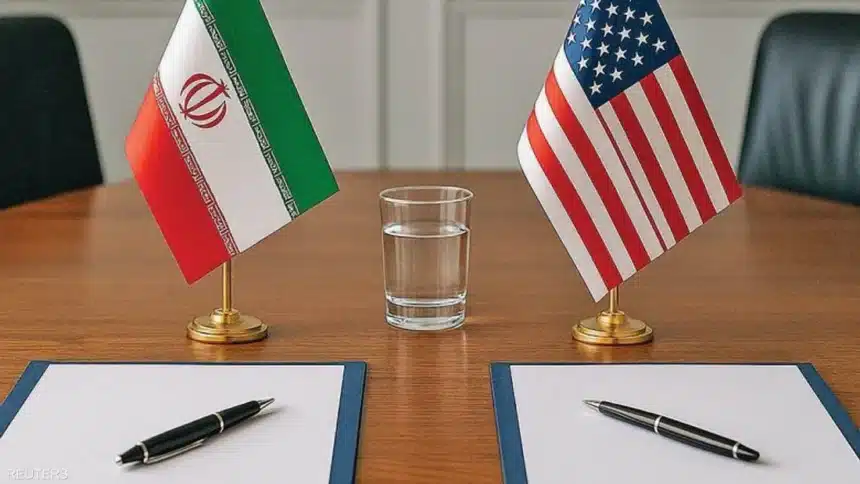
The announcement of reaching a peace agreement between Washington and Tehran represents a major turning point in one of the most tense crises the region has witnessed over the past months, bringing an end to a phase of direct military confrontation and paving the way for the launch of a new de-escalation process aimed at consolidating a ceasefire and addressing the outstanding security and political issues between both sides.
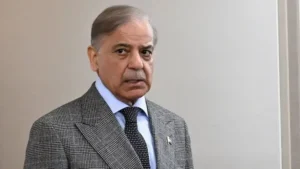
The announcement was made on Sunday evening by Pakistani Prime Minister Shehbaz Sharif, who revealed the success of intensive mediation efforts that resulted in an agreement between the United States and Iran, before US President Donald Trump announced his approval of the deal. In contrast, Iran confirmed the signing of a memorandum of understanding to stop the war and move to a new phase of negotiations, in a step seen as an indication of both sides’ willingness to contain potential escalation and open a new page of dialogue.
How did both sides reach the agreement?
The roots of the current crisis go back to February 28, when military confrontation erupted between both sides, pushing the region into a new phase of unprecedented tension. With growing fears of the conflict expanding, the temporary truce announced on April 8 succeeded in curbing escalation and opening indirect communication channels under the sponsorship of regional and international mediators.
During the weeks following the truce, political and security contacts between Washington and Tehran were intensified, alongside multilateral diplomatic efforts aimed at narrowing differences and providing a shared platform for dialogue. These efforts ultimately led to a preliminary understanding announced as a general framework to end the war and move toward broader and more comprehensive negotiations.
What are the main provisions of the agreement?
The agreement includes a set of key provisions forming the basis for the next phase, foremost among them the immediate and continuous cessation of military operations between the United States and Iran, putting an end to direct confrontations and easing regional tensions.
It also stipulates the lifting of the maritime blockade imposed on Iran and the reopening of the Strait of Hormuz to international navigation, a step considered strategically significant given the strait’s vital role in global trade and energy markets.
The agreement further includes the launch of a series of preliminary meetings under mediator supervision during the current week, paving the way for broader technical and political talks. This phase is scheduled to conclude with an official signing ceremony in Switzerland on June 19, followed by sixty days of final negotiations to discuss the most sensitive issues between both sides.
How did the agreement survive the final hours?
Despite the positive atmosphere surrounding the negotiations, the agreement faced a serious test in its final hours. According to US sources, an Israeli strike targeting Beirut’s southern suburbs raised serious concerns within the US administration about the possibility of the deal collapsing and renewed military escalation.
US sources reported that Washington quickly intensified contacts with Qatari mediators and Iranian officials following these developments, in an effort to contain the situation and prevent escalation that could derail the entire diplomatic process.
Within this context, US Vice President JD Vance confirmed that the administration received assurances from the Iranian side that it would avoid escalation and continue along the negotiation track leading to the agreement. Sources also indicated that President Donald Trump expressed dissatisfaction with the Israeli strike, considering that any further escalation could undermine months of diplomatic efforts.
What comes next?
Despite its importance, the agreement is not considered a final settlement but rather a political framework to halt the war and prepare for deeper negotiations. Beginning this week, preliminary rounds will be launched to organize technical files, before moving to two months of negotiations covering nuclear, security, and economic issues, in addition to maritime arrangements and Gulf security.
Trump, meanwhile, stressed that the agreement does not mean an end to pressure on Tehran, warning that failure to reach a final understanding on the nuclear program could bring the military option back into consideration. Iran, on the other hand, views the agreement as solidifying a permanent end to the war and paving the way for a new phase of relations with the United States.
Between these positions, the agreement opens an important window for reducing tensions in the Middle East. However, its success will remain dependent on both sides’ commitment to their obligations and their ability to overcome the most complex issues in the upcoming negotiation rounds.
United News Network – UNN Arabic
An independent media platform providing reliable news and objective analysis, aiming to promote peace and cultural dialogue worldwide, convey the truth, and build bridges of understanding between peoples.
For more news: https://un-news.org
Author: Counselor Faisal Al-Mutairi
Publication date: June 15, 2026
Update date: June 2026