
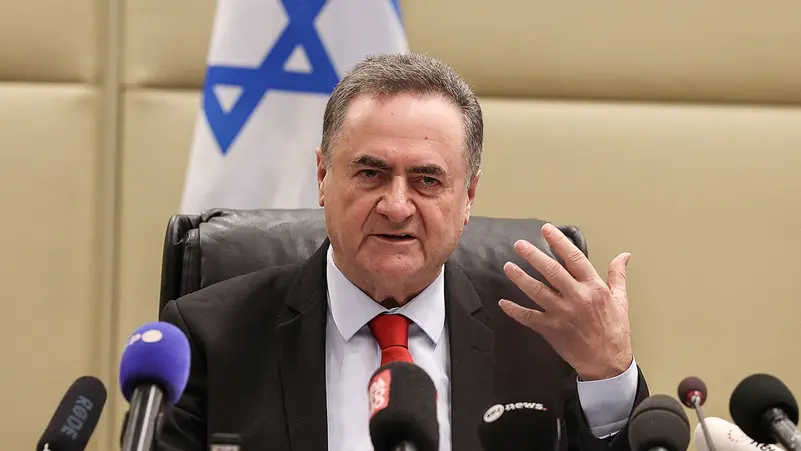
In a position reflecting Tel Aviv’s adherence to its current security doctrine, Israeli Defense Minister “Israel Katz” confirmed that Israeli forces will not withdraw from the areas it describes as “security” in Lebanon, Syria, and the Gaza Strip, despite growing international calls, foremost among them US President “Donald Trump’s” call to halt attacks inside Lebanon and contain regional escalation.
Military presence for an unspecified period
“Katz” stated in a statement issued on Monday that the Israeli government, led by “Benjamin Netanyahu,” is adopting a clear strategy based on the continued presence of the Israeli army in the security areas in Lebanon, Syria, and the Gaza Strip “until an unspecified period,” considering this presence necessary to protect Israeli borders and settlements and prevent any future threats.
He explained that this policy enjoys full consensus between him and the Israeli prime minister, stressing that security considerations will remain a priority over any external pressures or demands related to withdrawal from these areas.
Talk of evacuating areas and destroying infrastructure
In the context of “Katz’s” justification for the continuation of military operations, he indicated that the Israeli army continues to work on evacuating targeted areas of local residents, alongside the destruction of what they called infrastructure belonging to armed organizations above and below ground.
He added that the operations also include the removal of facilities and homes located in border villages that Israel considers strongholds for armed groups, confirming that the Israeli government categorically rejects any withdrawal from southern Lebanon, regardless of the nature of current pressures or those that may emerge in the coming phase.
Messages to Washington and the Israeli opposition
The Israeli Defense Minister revealed that Prime Minister “Benjamin Netanyahu” clarified to US President “Donald Trump” during their recent communications that Israel does not intend to withdraw from the security areas it currently controls.
He also indicated that he conveyed the same position to US Defense Secretary “Pete Hegseth” during discussions held yesterday, in further confirmation of Tel Aviv’s commitment to this security plan.
Regarding the Israeli domestic arena, “Katz” addressed a direct message to opposition parties, calling on them to announce a clear position if they support the army’s withdrawal from these areas, considering that the Israeli public has the right to know the differences between different political positions regarding security issues.
Direct warning to Iran
Iran was not absent from the Israeli minister’s statements, as he stressed that any potential Iranian attack on Israel in the context of developments in Lebanon would be met with a strong response.
He said Israel would move “with full force” if it were attacked by Tehran, noting that any future confrontation would clearly show a distortion of the balance of power, according to his expression.
In the same context, Israel’s Channel 12 reported Israeli officials as saying that Israel does not see itself obligated to withdraw from southern Lebanon, indicating continued disputes over the future of Israel’s military presence in the region.
A position placing Tel Aviv in confrontation with Washington’s calculations
These statements come at a sensitive regional moment, as they are viewed as representing an indirect challenge to US President “Donald Trump,” who called yesterday for a halt to Israeli strikes inside Lebanon after the raid that targeted the Ghobeiry area in the southern suburbs of Beirut.
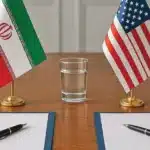
They also coincide with rapidly developing US-Iran relations, after the announcement of reaching a memorandum of understanding between Washington and Tehran, paving the way for a new negotiation track aimed at ending the war and containing regional tensions.
Iran had insisted during recent negotiations that the Lebanese file be part of any comprehensive settlement with the United States, considering a halt to military operations in Lebanon an essential element within any broader agreement.
Israeli concerns over the anticipated agreement
According to informed sources, Trump expressed during his recent communications with Netanyahu his dissatisfaction with the continued military escalation, especially after the bombing of the southern suburbs of Beirut, while reports pointed to tension in positions between both sides regarding how to manage the next phase.
The announcement of the US-Iran memorandum of understanding has also raised concern within Israeli political and security circles, which believe that the agreement, although not all its details have been disclosed yet, did not address in sufficient depth several files considered essential by Tel Aviv.
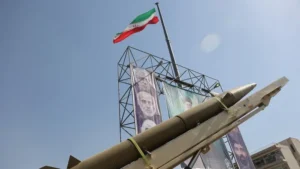
These include the Iranian ballistic missile program, along with Tehran’s relationship with armed factions in the region, foremost among them Hezbollah in Lebanon and Hamas, issues Israel considers an essential part of any long-term security arrangements in the Middle East.
Network of United News – UNN Arabic
An independent media platform providing reliable news and objective analysis, aiming to promote peace and cultural dialogue worldwide, convey the truth, and build bridges of understanding between peoples.
For more news, you can visit our homepage:
Author: Consultant Faisal Al-Mutairi.
Publication date: 15 June 2026.
Update date: June 2026