
While attention is turning to the implications of the agreement announced between Washington and Tehran, European positions supporting a de-escalation path have emerged, with an emphasis on the need to translate political understandings into practical steps, foremost among them reopening the Strait of Hormuz and restoring normal navigation, as this is considered one of the earliest major tests for the success and sustainability of the agreement.
Von der Leyen: priority is implementing the agreement and opening Hormuz
European Commission President “Ursula von der Leyen” confirmed that the announced agreement between Washington and Tehran must lead to the immediate reopening of the Strait of Hormuz, considering that the current phase requires full commitment from all parties to implement what has been agreed upon.
She stated in a statement issued on Monday that “the priority now is the urgent and full implementation by all parties,” stressing the need to restore freedom of navigation in the strait without imposing any fees or restrictions on ship movement.
She added that ensuring smooth navigation is a key element in maintaining regional stability and protecting the global economy from the consequences of any new disruptions, noting that the success of this step could open the door to broader negotiations addressing peace and security files in the Middle East.
In a related context, von der Leyen linked prospects of regional stability to developments in Lebanon, stressing that achieving lasting peace in the Middle East would remain extremely difficult amid ongoing tensions and military operations in Lebanon.
She called on all parties to respect Lebanon’s sovereignty and territorial integrity and to work toward a genuine ceasefire, considering that reducing escalation across the region’s hotspots is an important condition for the success of any new political process.
The European Union studies its role in the next phase
For her part, the EU’s foreign policy chief “Kaja Kallas” said that the US-Iran agreement could represent an important turning point in the crisis and may open the door to a different phase in dealing with the unresolved security and political files in the region.
She explained in a post on the “X” platform that the European Union will begin studying possible ways to participate in the next phase in a way that supports prospects for a more sustainable settlement.
Ahead of a meeting of EU foreign ministers in Brussels, Kallas confirmed that the bloc has tools that could contribute to any future settlement, starting from its economic weight, passing through its expertise in nuclear issues, and reaching its extensive relations with Gulf countries and regional partners.
These statements reflect a European desire to regain a more active role in Middle East files, especially after criticisms made by US President “Donald Trump” in recent months, accusing European countries of not providing sufficient support during the crisis and not participating more actively in protecting international shipping.
First practical test of the agreement
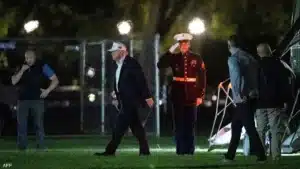
European positions emerged hours after US President “Donald Trump” announced a preliminary agreement with Iran, confirming that the Strait of Hormuz would be reopened immediately to commercial shipping without restrictions or additional fees.
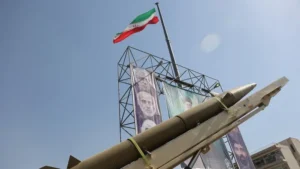
In contrast, Iranian sources spoke of arrangements for joint management of the strait in cooperation with Oman, following months of tension that followed the outbreak of war between Iran and the United States on February 28, which led to a near-total disruption of traffic in one of the world’s most important maritime routes.
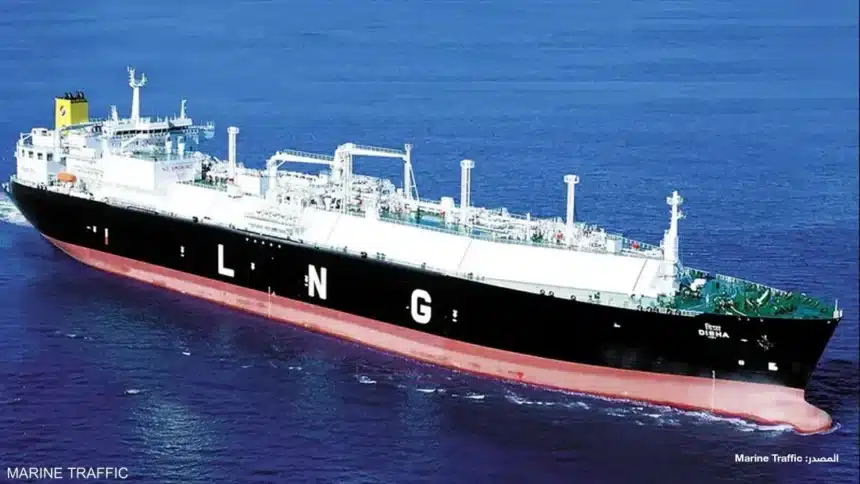
Gas tanker crosses the strait after the agreement
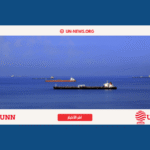
In the first practical indication of the resumption of maritime activity, ship tracking data showed that the liquefied natural gas tanker “Disha” crossed the Strait of Hormuz on Monday heading east, becoming one of the first major commercial vessels to pass through the waterway after the announcement of the agreement.
According to shipping tracking companies’ data, the tanker was carrying a cargo from Ras Laffan Port in Qatar and is operated by India’s Petronet company, while informed sources indicated that its final destination is the Dahej terminal in India.
The tanker had completed loading its cargo in early March but remained west of the strait during the period of military tensions, before resuming its journey after the announcement of the reopening of the maritime passage.
The passage of “Disha” is seen as an initial indicator of a gradual return of confidence in maritime transport, while energy markets and shipping companies closely monitor developments to assess the stability of conditions and the success of the new arrangements related to freedom of navigation.
The Strait of Hormuz remains one of the world’s most strategically important waterways, as a large share of global oil and gas exports passes through it to international markets, making any development related to it of broad global interest due to its direct link to energy security and global economic stability.
Network of United News – UNN Arabic
An independent media platform providing reliable news and objective analysis, aiming to promote peace and cultural dialogue worldwide, convey the truth, and build bridges of understanding between peoples.
For more news, you can visit our homepage:
Author: Consultant Faisal Al-Mutairi.
Publication date: 15 June 2026.
Update date: June 2026