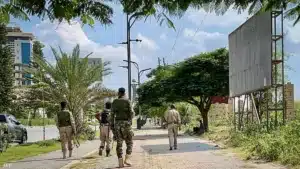

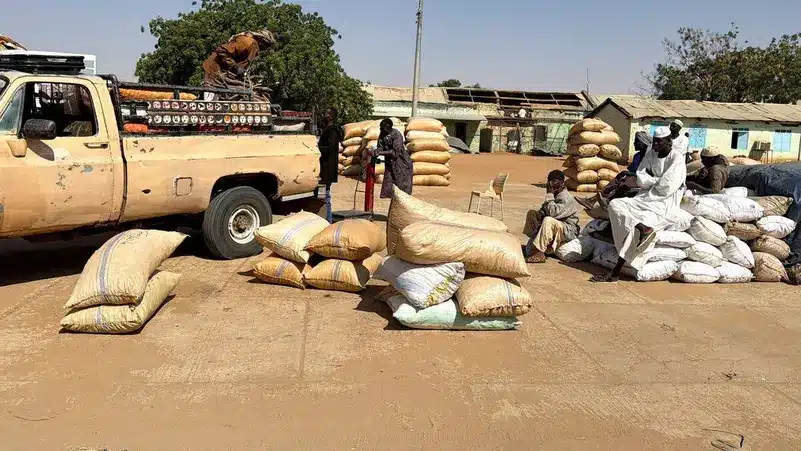
The city of El Obeid, the capital of North Kordofan State in western Sudan, is experiencing one of the most severe humanitarian crises in its modern history. Water has shifted from being a basic service to a daily struggle that requires hours of searching and waiting. Amid the ongoing war and deteriorating infrastructure, residents face a dual challenge: scarce supplies and rising costs of obtaining water, raising growing concerns that conditions may worsen in the coming period.
A Deepening Crisis Amid Power Outages
Under the scorching sun, hundreds of residents—including women, children, and the elderly—line up for hours at water distribution points, carrying empty containers while waiting for water trucks that may arrive late or not at all. These scenes have become part of daily life in the city, located about 400 kilometers southwest of Khartoum and considered one of Sudan’s largest cities and a key economic center in the Kordofan region.
Residents say the water crisis is not new, but it has reached unprecedented levels in recent weeks, particularly following the complete electricity outage across large parts of North Kordofan State. They explained that the power cuts disrupted major water supply sources, making it increasingly difficult for people to secure their basic water needs.
They added that fuel shortages have further aggravated the crisis, forcing many generators and water pumps out of service. These facilities had served as essential alternatives for maintaining water supplies amid declining public services.
As suffering continues to grow, the search for water has become a daily routine for thousands of families, especially displaced people living in shelters and camps surrounding the city, where demand is increasing while available resources and humanitarian services continue to decline.
Shelling Increases Pressure on Water Supplies
Amid these difficult circumstances, official sources reported that five children were injured after a drone strike targeted drinking water stations in El Obeid. A water truck delivering supplies to residents was also reportedly targeted in recent hours.
Government sources in North Kordofan stated that the city is facing a severe drinking water shortage after several stations that previously supplied around 8,000 cubic meters of water per day were attacked. They added that electricity outages caused by the strikes have also disabled most of the underground pumps on which residents depend.
Water Trucks and Wells as Emergency Solutions
As basic services continue to deteriorate and sustainable solutions remain absent, mobile water tanks and wells have become the primary water source for many residents. Community and humanitarian initiatives are attempting to bridge part of the gap by supplying and distributing water to the hardest-hit neighborhoods.
However, residents stress that these efforts remain insufficient compared to actual needs, as the number of people requiring water continues to rise while supply sources struggle to meet growing demand.
Rising Prices Add to the Hardship
The problem is no longer limited to water scarcity. The cost of obtaining water has also surged. According to local reports, the price of a barrel of water ranges between 20,000 and 24,000 Sudanese pounds, placing a significant burden on families already suffering from the effects of war and worsening economic conditions.
Residents noted that water, once considered one of life’s simplest necessities, now consumes substantial amounts of time, effort, and limited household income, amid fears that the crisis will persist as production and supply systems remain disrupted.
Long Queues Become a Daily Reality
Water queues have become a permanent feature across El Obeid’s neighborhoods, with residents spending hours in extreme heat waiting for their turn to receive limited quantities of water, while worrying that available supplies may run out before reaching everyone.
Observers believe the city’s water crisis represents one of the most serious humanitarian consequences of the war, especially as it coincides with the deterioration of electricity and healthcare services, leaving residents facing increasingly severe living conditions that go far beyond securing basic necessities.
In recent days, photos and videos circulating on social media have documented the scale of suffering endured by El Obeid’s residents, showing long lines of people waiting for hours to obtain water. These images have sparked widespread attention and sympathy, turning the city’s water crisis into a public issue that highlights the immense pressures civilians face amid the ongoing conflict and collapse of essential services.
United News Network – UNN Arabic
An independent media platform that provides reliable news and objective analysis, seeking to promote peace and cultural dialogue around the world, convey the truth, and build bridges of understanding between peoples.
For more news, visit our homepage:
Author: Counselor Faisal Al-Mutairi
Publication Date: June 24, 2026
Last Updated: June 2026.