
Eight injured in overnight Russian air and artillery attacks on Ukraine
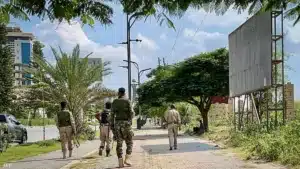
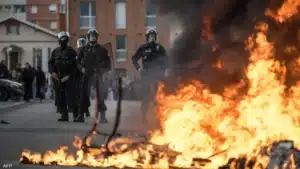
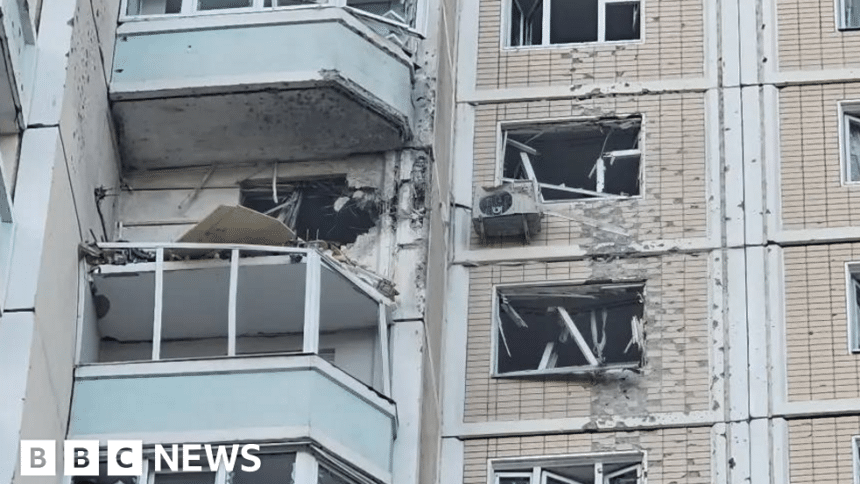
Local authorities in “Ukraine” announced that eight people were injured as a result of a series of airstrikes and artillery shelling carried out by Russian forces during the night hours, in a new escalation that reflects the continued intensive military operations between the two sides.
According to official reports, the attacks included the use of drones in addition to artillery shelling, which led to civilian injuries and damage to several targeted areas, amid a continued state of security alert in the affected cities and regions.
Such developments come in the context of the ongoing war between “Russia” and “Ukraine,” which continues to witness repeated escalation in the exchange of strikes, whether through air attacks or ground operations, increasing both the humanitarian and security pressure on civilians.
The continuation of these mentioned nighttime strikes reflects the ongoing military tension, in light of the complexities of the international scene related to the Ukrainian crisis, especially with growing global attention on pathways to end the war and the geopolitical and economic consequences associated with it.
Mutual escalation between Moscow and Kyiv as Ukraine launches a large drone attack on Russia
In a new development that reflects the expansion of the Russian-Ukrainian war and the intensification of mutual strikes between both sides, the official Russian news agency “TASS” reported the death of at least three people near Moscow, following a large-scale attack attributed to Ukraine using more than 500 drones during the night hours, in one of the largest air operations targeting the Russian interior in over a year.
According to Russian sources, the attack targeted multiple areas near the capital, with one strike resulting in the death of a woman after a private home was hit in the town of Khimki northwest of Moscow, in addition to other casualties and material damage, reflecting an increasing shift in the nature of the confrontation towards long-range strikes with significant psychological and military impact.
The war enters a more complex phase
This attack comes at a time when Ukrainian authorities had announced that eight people were injured as a result of nighttime Russian air and artillery attacks inside Ukraine, confirming the continuation of the cycle of mutual military escalation and the expansion of aerial operations between the two countries.
This development indicates that the Russian-Ukrainian war is no longer confined to traditional fronts, but now includes direct targeting of civilian and military infrastructure deep inside both Russia and Ukraine, increasing the complexity of the security scene and amplifying fears of the conflict expanding. The use of such a large number of drones reflects qualitative advancements in modern warfare tools and highlights Ukraine’s increasing reliance on unconventional capabilities to respond to ongoing Russian strikes.
These developments coincide with rising international pressure to find political pathways to end the ongoing conflict, amid the escalating humanitarian, economic, and geopolitical consequences of the war, which are increasingly affecting European security and global stability.
The Russian-Ukrainian war extends its consequences to Europe and triggers a political crisis in Latvia
In a clear reflection of the expanding effects of the Russian-Ukrainian war beyond the direct battlefield, “Latvia” witnessed a major political crisis that ended with Prime Minister “Evika Silina” announcing her resignation from office, after losing parliamentary support within the ruling coalition, due to security concerns related to the incursion of war-related drones into the country’s territory.
Silina confirmed that the security of Latvian citizens remains a priority for her, noting that the Russian war on Ukraine has reshaped the security environment across Europe and placed neighboring countries in a constant state of alert against cross-border threats.
Ukrainian and Russian drones widen Europe’s risk landscape
The crisis erupted after Defense Minister “Andris Spruds” was blamed for the authorities’ failure to prevent Ukrainian drones from penetrating Latvian airspace, leading to his resignation and political division within the government, before the collapse of the parliamentary majority supporting the prime minister.
These developments reflect the complexity of modern warfare, whose effects are no longer limited to “Russia” and “Ukraine,” but extend to neighboring European countries such as Latvia, Estonia, and Lithuania, with increasing incidents of drones falling or crashing in sensitive border areas.
European escalation in defense cooperation
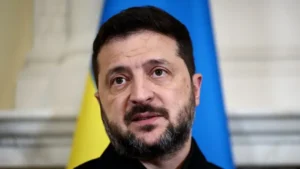
In a related context, Ukrainian President “Volodymyr Zelensky” announced his intention to send air-defense experts to “Latvia,” in a step aimed at strengthening European security capabilities and addressing the growing war-related threats. Work is also underway on a long-term defense agreement between “Kyiv” and “Riga,” which includes developing a multi-layered air-defense system, reflecting the transformation of the Russian-Ukrainian war into a major factor reshaping European security alliances.
These developments intersect with the recent military escalation between “Moscow” and “Kyiv,” which included nighttime Russian attacks on “Ukraine” and large-scale Ukrainian drone attacks deep inside Russia, confirming that the war is entering a more complex phase, extending beyond traditional military fronts into broad political and security repercussions threatening the stability of the entire European continent.
For more news, you can visit our homepage:
Writer: Advisor Faisal Al-Mutairi
Publication date: May 17, 2026
Update date: